Source Starlink Mount for Home Theatre, Automotive, and TV
Compare 30 Starlink mount options including models for Gen 3, v2, and roof installations. Buyers can evaluate materials like ABS, steel, and alloy, along with dimensions and packaging details for commercial and home theatre applications; compare the available evidence and request quotations based on your requirements.
Key considerations
Products List


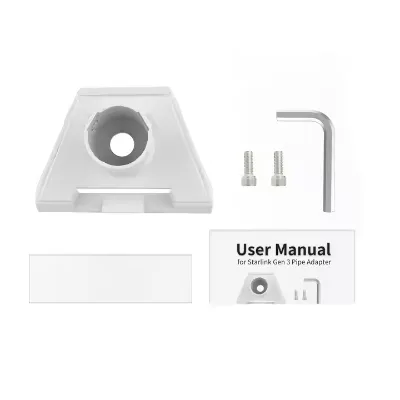
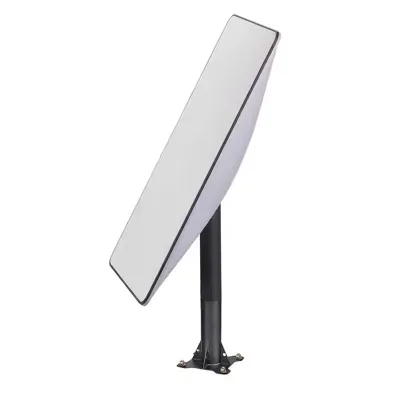
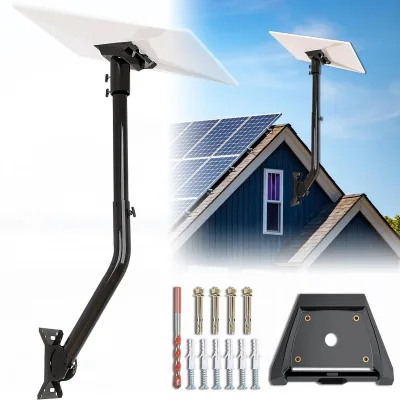
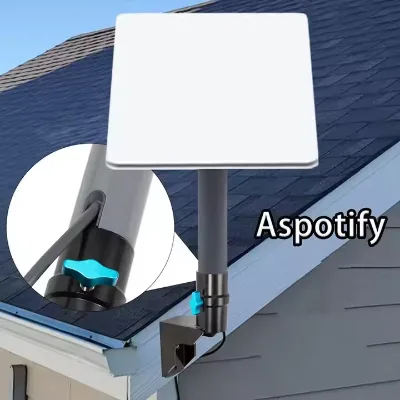
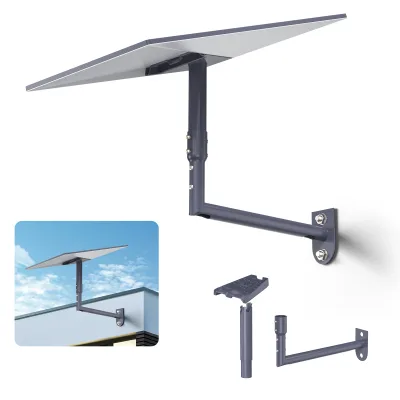
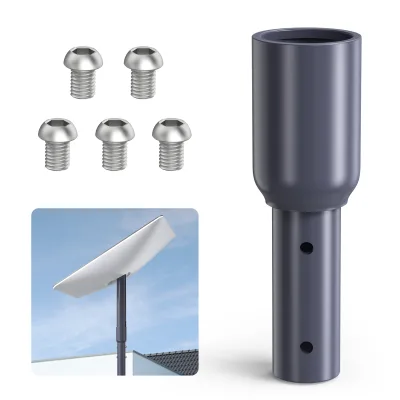
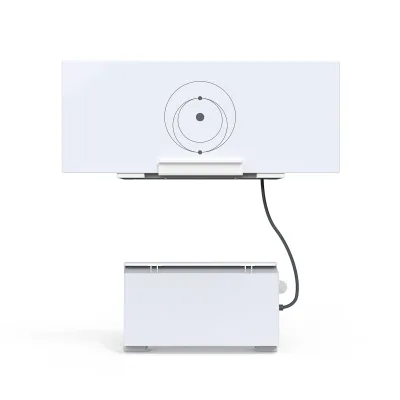
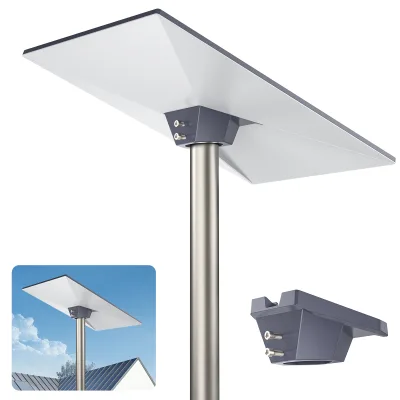
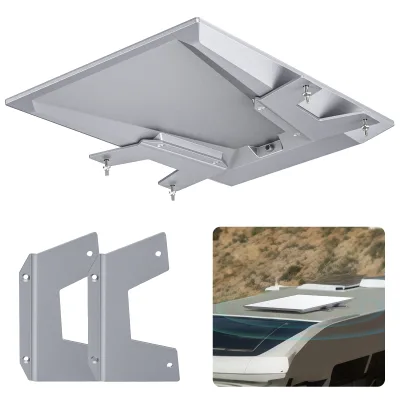
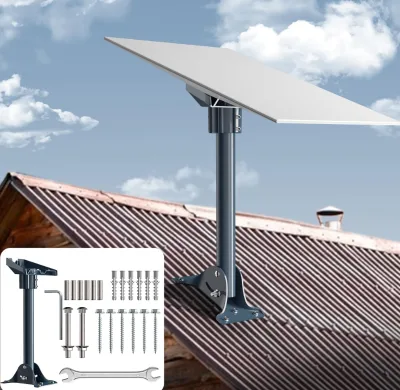
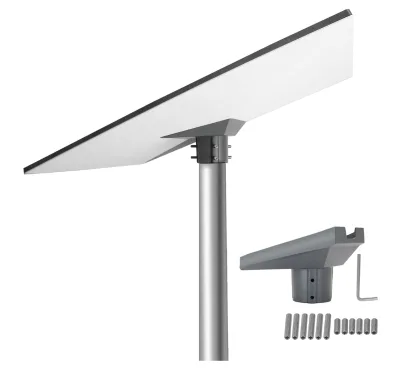
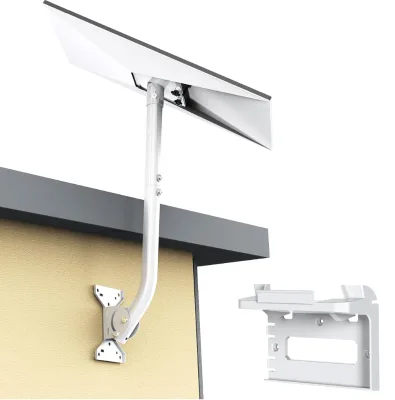
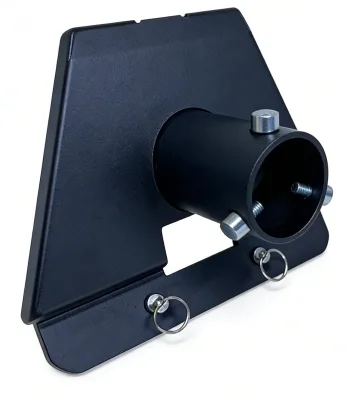
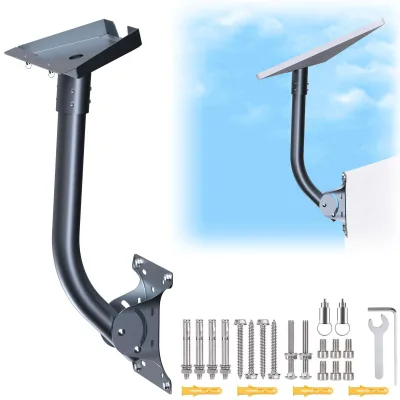
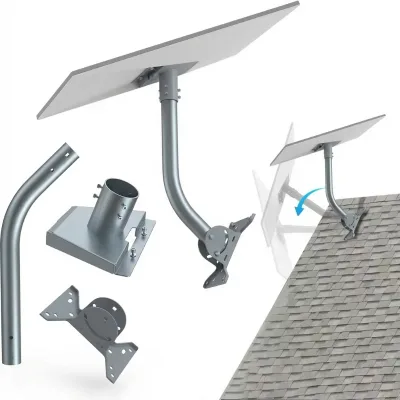
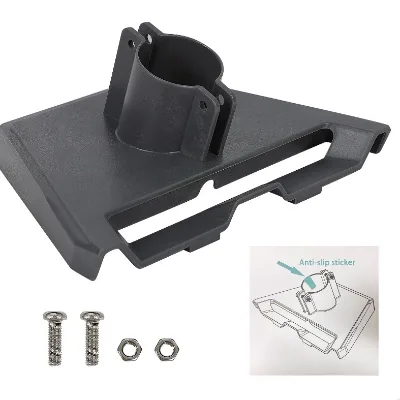
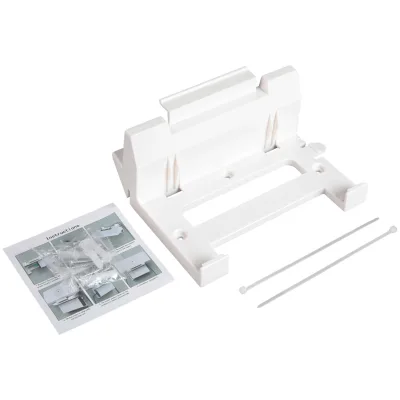
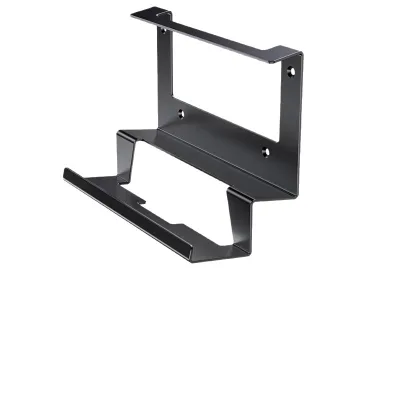

Comprehensive Sourcing Guide
Starlink Mount Sourcing Guide
Satellite internet hardware has created a fast-moving accessories market, and the starlink mount sits at the center of it. Buyers sourcing these products range from distributors stocking consumer installation kits to project purchasers outfitting commercial deployments, so clarity about intent should come before any supplier conversation. The listings observed in this category concentrate on mounting brackets, wall kits, roof mounts, and rack-style holders designed for specific Starlink dish generations, with several entries explicitly identified for Gen 2 and Gen 3 hardware. Because dish geometry changed between generations, generation compatibility is the first qualifying question in any sourcing dialogue, not an afterthought.
This guide walks through the decisions that separate a smooth procurement from a costly one: defining product scope, verifying technical specifications, collecting compliance documentation, understanding cost drivers, qualifying suppliers, and setting up long-term repeat-order checks. Throughout, the emphasis is on what can be confirmed from listing data versus what must be requested from the supplier in writing. Treating listing attributes as observations rather than guarantees protects buyers from assumptions that surface only after goods arrive at the warehouse or the end customer's rooftop.
Product Scope and Observed Listing Signals
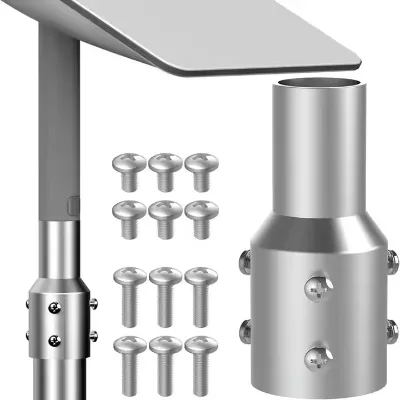
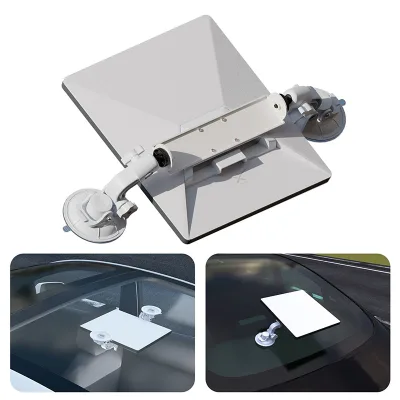
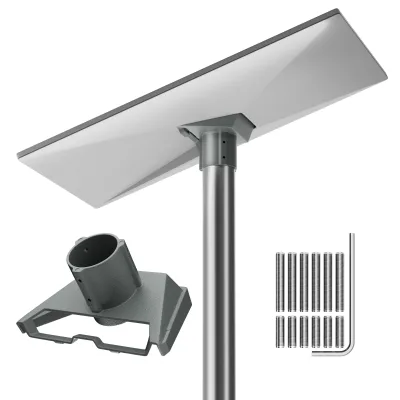
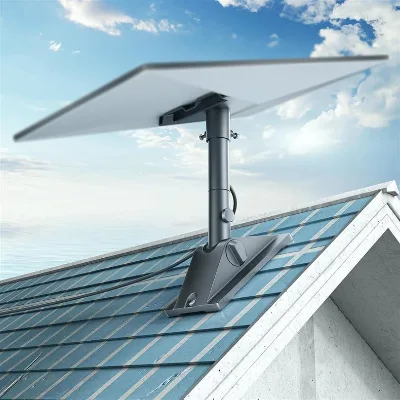
The observed listings span several distinct product families within the starlink mount category. Bracket and wall-mount products appear in models such as Gen3-DM7-TP, Gen3-DM2, MINI-BR1, MINI-BR2, and MINI-CM1, with stated package dimensions ranging from compact 6.25×3.10×6.45 cm units to larger 32×8.5×9 cm kits. Roof-mount and short-wall metal mounting kits are listed separately, and a "Starlink rack" product with a PVC sheath material extends the scope toward organized cable-and-equipment storage for home theatre, TV, and automotive installations. Product names frequently reference the dish generation directly, which helps buyers filter quickly.
Several commercial signals are consistent across the category. Origins cluster in Guangdong and Zhejiang, China; customization is advertised as available on some listings while others are marked non-customized; and packaging is typically box or box packing. Observed MOQs range from 1 to 100 pieces, including at least one listing at 2 pieces, and listed prices span from $2.99 to $1,602, indicating everything from single small brackets to bulk or premium configurations. Wireless communication is noted on some entries. Buyers should treat these attributes per-listing, since the range is too wide to generalize across the category.
Technical Specifications to Verify
Material selection is the most consequential technical variable in this category. Observed sheath and body materials include ABS, steel, metal, alloy, and PVC, and each implies different behavior under load, temperature, and UV exposure. A steel roof mount and an ABS bracket serve different installation scenarios and carry different weight capacities, so buyers should request the material composition for every SKU in a quotation, not just the hero product. Listed dimensions such as 28×10×10 cm or 26×18×10 cm should be cross-checked against the actual dish footprint of the target Starlink generation to confirm fit before sampling.
Beyond materials and dimensions, buyers should verify the mechanical details that listings rarely capture fully: mounting hole patterns, fastener hardware included in the box, tilt or swivel adjustability, and load rating for roof or wall applications. The listed single gross weights observed in the category range from 0.4 kg to 1.2 kg, which offers a rough sanity check on material claims—a bracket advertised as steel should not weigh like thin alloy. For any product described as suitable for commercial applications, request written confirmation of wind-load or load-bearing expectations rather than relying on photographs.
Compliance and Safety Documentation
Mounting hardware for satellite dishes is installed on rooftops, exterior walls, and vehicles, which places it in the zone where falling hardware, electrical proximity, and structural safety matter. Buyers should ask each supplier which certifications and test reports the specific SKU holds—such as material safety declarations, RoHS-style substance compliance for plastic and coated metal parts, and any structural test documentation—rather than assuming that a category-level claim applies to every model. Observed listing data in this set does not include certification details, so nothing can be presumed; documentation must be requested and verified per product.
Documentation requests should be specific and tied to the model number. For a Gen 3 wall mounting kit, ask for the material certificate, coating or finish specification, and any corrosion-resistance testing relevant to outdoor exposure. For ABS or PVC components, request confirmation of the plastic grade and UV stability, since listed materials alone do not establish outdoor durability. Buyers distributing into regulated markets should also confirm marking and labeling requirements with their own compliance team, then require the supplier's artwork to match before mass production. Keeping signed, dated copies of every document protects against substitutions in later production runs.
Cost Drivers and Commercial Terms
Price dispersion in the observed listings is extreme, from $2.99 to $1,602, so buyers must normalize quotations before comparing. The main cost drivers are material (steel and metal kits versus ABS or alloy brackets), size and packaging volume, hardware completeness, finish quality, and order quantity. A low unit price paired with a high MOQ can cost more in total than a slightly higher price at a 2-piece trial MOQ, which at least one observed listing offers. Buyers should request itemized quotes separating product cost, packaging, and freight to see where margin actually sits.
Commercial terms deserve the same scrutiny as price. One observed listing states a 3–5 day lead time, but lead times for customized or bulk orders will differ, so buyers should confirm production and shipping timelines in writing for their specific quantity and specification. Standard terms to nail down include Incoterms, payment schedule, tooling or mold fees for customized variants (noting that at least one observed listing states a private mold is not used), sample cost and credit policy, warranty handling, and replacement terms for transit damage. Box packaging is standard in the category, but retail-ready or branded packaging will change cost and should be quoted separately.
Supplier Qualification and Quality Control
Qualification should start with a mapping exercise: confirm which factory actually produces each model number, since observed listings originate from Guangdong and Zhejiang with different stated capabilities—some offering customization, others explicitly non-customized. Verify business license scope, years producing Starlink-compatible accessories specifically, and whether the supplier can support both current Gen 3 hardware and legacy Gen 2 brackets, since the observed catalog includes both. A supplier's ability to answer generation-compatibility questions precisely is a useful proxy for genuine product knowledge versus repackaged trading inventory.
Quality control should be structured around a pre-shipment inspection checklist agreed before deposit: dimensional check against stated package and product sizes, material verification against the quoted specification, finish and coating inspection, fastener completeness, and drop-test evidence for box packing at the stated gross weights (0.4–1.2 kg observed). Order a signed golden sample before mass production and reference it in the purchase contract. For first orders, consider third-party inspection even at modest volumes, because bracket tolerances and mount strength problems rarely appear in photographs. Define the acceptable defect rate and remedy process in writing to avoid disputes at delivery.
Long-Term Procurement Checks
Repeat purchasing in this category carries a specific risk: Starlink hardware generations evolve, and a bracket engineered for Gen 3 dimensions may not fit a future dish revision. Buyers planning ongoing programs should ask suppliers how they monitor dish design changes, how quickly they can retool or adjust models, and whether they will provide updated samples when compatibility changes. Building this channel-communication expectation into the supplier relationship early costs little and prevents shelves of obsolete inventory later.
Long-term checks should also cover commercial stability and consistency. Reconfirm lead times, pricing tiers, and material sources at each reorder rather than assuming last quarter's terms still apply, and audit incoming shipments periodically against the golden sample even from trusted suppliers. Track per-SKU defect and return rates from your own customers—end-user installation feedback on wall and roof mounts is the fastest signal of a tolerance or hardware problem. Finally, maintain documentation continuity: keep current certificates, material declarations, and inspection reports on file for every active model so that any marketplace, retailer, or regulatory request can be answered without scrambling back to the factory.
FAQs
What materials are used for Starlink mounts?
Starlink mounts are typically constructed from durable materials such as ABS plastic, steel, or metal alloys. These materials ensure structural integrity and weather resistance for both indoor and outdoor installations. The specific material choice depends on the mount type, such as roof mounts or wall brackets, to support the satellite dish securely in various environments.
Can I customize the packaging for Starlink mounts?
Yes, customization for packaging is available for many Starlink mount products. Suppliers often offer box packing or box package options to protect the items during shipping. Buyers can inquire about specific packaging requirements to ensure the mounts arrive safely, with single package sizes varying by model, such as 11x11x9 cm or larger dimensions for bulkier kits.
What is the typical lead time for Starlink mounts?
The typical lead time for Starlink mounts is approximately 3-5 days. This timeframe allows for efficient processing and dispatch of orders. Buyers should confirm specific lead times with suppliers, as production schedules and stock levels may influence the exact delivery window for different models like the Gen3-DM7-TP or MINI-BR1 variants.
Which Starlink models are compatible with these mounts?
These mounts are compatible with various Starlink models, including Gen 3 and v2 versions. Specific products are designed for Starlink Gen 3 or Starlink v2 brackets, ensuring proper fit and stability. Buyers should verify the model compatibility, such as For Starlink Gen 3 or For Starlink v2 Bracket, to match their specific satellite hardware requirements.
What is the minimum order quantity for Starlink mounts?
The minimum order quantity varies by supplier, with some listing an MOQ of 2 PCS. Other suppliers may have different thresholds, ranging from 1 to 100 units. Buyers should check the specific MOQ for each product listing to determine the smallest viable order size for their procurement needs, ensuring alignment with their inventory requirements.
Where are Starlink mounts typically manufactured?
Starlink mounts are typically manufactured in China, with origins in regions like Zhejiang and Guangdong. These locations are known for producing various mount types, including roof mounts and wall brackets. Buyers can source products from these regions, considering factors like lead times and shipping logistics when selecting suppliers for their Starlink mounting solutions.